
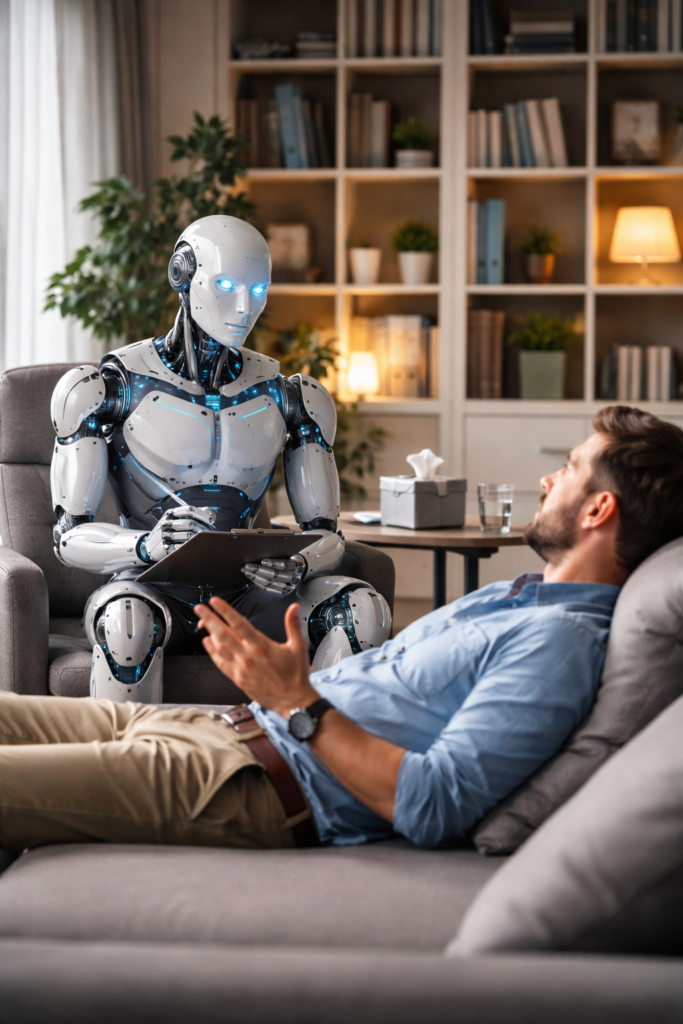
De ferramenta útil a sistema invisível de influência individualizada
Dependência tecnológica
Homogeneização do pensamento
Vigilância invisível
Influência personalizada
Em nosso artigo anterior, questionamos a IA popularizada pela empresa Meta sobre os riscos que poderiam surgir do uso dessa ferramenta, tão generosamente colocada à disposição do público e que, como proclamam os vendedores ambulantes ao oferecer suas mercadorias nos ônibus, “não deveria faltar na bolsa da senhora nem no bolso do cavalheiro”.
Diz um provérbio espanhol: “Quando a esmola é grande, até o cego desconfia”.
E que presente é esse produto, capaz de resolver nossas maiores dúvidas!
Há alguns meses, um professor universitário aplicou a seus estudantes de psicologia uma prova a distância, com perguntas difíceis, e ficou surpreso com a rapidez e a qualidade das respostas.
Contudo, ao compará-las, concluiu que todas haviam sido produzidas pela IA.
Os estudantes tinham apenas copiado e transferido as respostas.
Naturalmente, a prova foi anulada.
Eles voltaram às provas presenciais, à moda antiga.
Imaginemos, como exercício intelectual, que essas respostas tivessem sido validadas e que o mesmo tivesse ocorrido durante todo o curso.
Qual seria a formação real daqueles psicólogos que se graduassem com as notas mais altas?
Ou será que, agora que temos IA, já não precisamos de psicólogos?
Raciocinando com a IA
Ao final daquele artigo, formulamos estas perguntas:
Qual é o verdadeiro motivo para colocar a IA à disposição de todos?
Seria ela uma ferramenta psicopolítica?
A IA da Meta respondeu com os mesmos pontos que havia apresentado como riscos.
Dependência: “poderia tornar-se excessiva e provocar a perda de habilidades e conhecimentos”.
É a mesma dependência que temos de nossos telefones: nós os perdemos e nem sequer conseguimos entrar em contato com nossos filhos, porque não memorizamos seus números.
Nesse sentido, o personagem de Borges, Funes, o Memorioso, passaria no teste, pois sua única memória era biológica.
Naturalmente, não estamos defendendo o analfabetismo.
Estamos apenas destacando, por meio de um exemplo extraído da experiência, o quanto nos tornamos dependentes da multiplicidade de dispositivos tecnológicos em que estamos imersos.
O segundo aspecto é:
Homogeneização social: “as pessoas podem deixar de pensar de forma crítica e criativa”.
“Nem sequer pense errado. Para quê, se a vida continua do mesmo jeito e, além disso, você corre o risco de ser chamado de tolo?”, diz o tango de Discépolo.
Vigilância: “controlar as pessoas, o que representa um risco para a liberdade e a autonomia”.
Não ignoramos a importância da vigilância, especialmente em um país como o Uruguai, onde sua ausência se torna cada vez mais evidente.
Mas a vigilância de que precisamos é aquela destinada a prevenir o crime.
Aquela que nos permita caminhar livremente pelas ruas.
Aquela que combata o tráfico de drogas, de órgãos e de pessoas.
Aquela que permita às crianças brincar com segurança na calçada.
Aquela cuja ausência nos obriga a instalar grades nas janelas, até mesmo nos andares mais altos.
Em contrapartida, o sistema sabe quanto gastamos, onde compramos, o que compramos, com que frequência vamos ao cinema ou ao teatro, qual ônibus utilizamos e quando fazemos tudo isso.
Cada vez que usamos um cartão de crédito ou de débito, deixamos um rastro de nossos movimentos.
Nosso telefone nos localiza em um lugar ou em outro…
Então, qual é a relação entre a IA e a psicopolítica?
Questionando o ChatGPT
Fizemos a pergunta.
Surpreendentemente, esta foi a resposta:
“A IA não é apenas um instrumento da psicopolítica: ela constitui sua fase superior.”
A psicopolítica clássica precisava conhecer os desejos, prever comportamentos e influenciar sem dar ordens.
Mas a IA já não trabalha com as massas, e sim com microperfis, estados emocionais e momentos de vulnerabilidade.
A IA age quando o indivíduo duvida, está triste, fica mais influenciável ou procura um sentido.
Isso é psicopolítica pura, porque o poder já não obriga.
A IA recomenda, sugere e otimiza, mas nunca ordena nem ameaça.
E precisamente por isso é obedecida.
Isso ocorre porque o poder ideal é aquele que se apresenta como assistente.
Então, seriam esses “riscos”, como afirma a Meta, ou seriam objetivos?
Continue lendo em Ordem Global e Geopolítica
Apoyá la continuidad de Perspectiva Liberal
Perspectiva Liberal es un espacio editorial independiente. Si valorás este trabajo y querés colaborar con su continuidad, podés hacerlo mediante un aporte voluntario a nuestra cuenta Prex.
Cuenta Prex: 13440