
And the Aristocratic Charity Handout
The Feast of the Black Holes
And the Aristocratic Charity Handout
By Dr. Nelson Jorge Mosco Castellano
There is a poetic symmetry, profoundly cruel and grotesquely local, in the way the State manages its own ruin.
On one side, we have the audits of our most precious state-owned jewels—that museum of inefficiency where Correo, AFE and ANCAP’s “beloved” Portland cement business compete to see which one can incinerate the most money per second.
On the other, the current government’s flash of technocratic enlightenment: shake off responsibility and announce with great fanfare an injection of US$31 million to fight child poverty.
Thirty-one million. A couple hundred pesos more or less. The perfect figure to solve a historic structural tragedy while looking the other way with an elegance worthy of the highest school of hypocrisy.
𝗧𝗵𝗲 𝗧𝗶𝘁𝗮𝗻𝗶𝗰 𝗦𝗮𝗶𝗹𝘀 𝗼𝗻 𝗢𝘃𝗲𝗿𝗱𝗿𝗮𝗳𝘁: 𝗧𝗵𝗲 𝗔𝘂𝗱𝗶𝘁𝘀 𝗼𝗳 𝗦𝘁𝗮𝘁𝗲-𝗖𝗼𝗿𝗽𝗼𝗿𝗮𝘁𝗲 𝗛𝗼𝗿𝗿𝗼𝗿
Let us review the findings of the auditors, those long-suffering beings who still attempt to apply Cartesian logic to the stony black holes of the national budget.
𝗨𝗿𝘂𝗴𝘂𝗮𝘆𝗮𝗻 𝗣𝗼𝘀𝘁𝗮𝗹 𝗦𝗲𝗿𝘃𝗶𝗰𝗲:
The audits reveal the X-ray of a patient kept in a pharmacological coma from one century into the next.
According to this latest audit, the Uruguayan Postal Service accumulated six consecutive years of financial deficits, closing fiscal year 2025 with a negative result of $1.4806 billion pesos (about US$36.4 million), despite receiving multimillion-dollar subsidies from the State, which forces private companies in the sector to charge a surcharge for this living “corpse.”
It is a ghost company sustained by the public checkbook, unable to compete in the twenty-first century with a tragic cost structure: salaries and social charges swallow every last cent from a letter nobody sends anymore, imperceptibly financed by the taxpayer who would rather use WhatsApp.
And as if the accounting magic were not enough, the institution reaches the climax of Uruguayan absurdity: its cronies call a general strike or trigger a labor dispute to deepen the losses even further, adding more wages while demanding more employees.
The brilliant result of the measure? The company does not collect a miserable peso, packages pile up growing mold in the warehouses, and the workforce continues religiously fattening its paycheck at the end of every month, receiving raises even though they generate losses by not producing, while the taxpayer finances the picket line of failure itself.
𝗔𝗙𝗘:
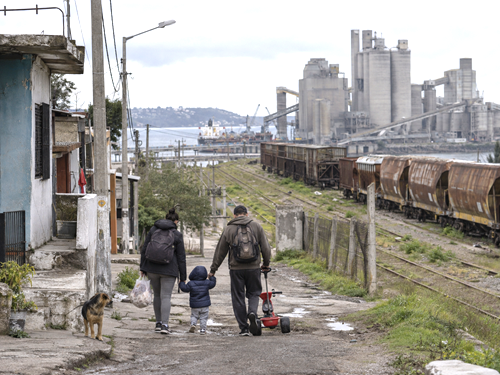
The railway tracks are a poetic reminder of national melancholy and of administrative plunder stretching across every government.
The Internal Audit Office of the Nation (AIN) and subsequent parliamentary investigations into Uruguay’s State Railways Administration (AFE) focused on financial losses and administrative disorder described by our authorities as “chaos.”
𝗧𝗵𝗲 𝗴𝗵𝗼𝘀𝘁 𝗶𝗻𝘃𝗲𝗻𝘁𝗼𝗿𝘆 𝗮𝗻𝗱 𝘁𝗵𝗲 𝗹𝗲𝗮𝘀𝗶𝗻𝗴 𝗳𝗲𝘀𝘁𝗶𝘃𝗮𝗹:
The audit determined that AFE does not know the exact universe of properties forming part of its assets, estimated at between 1,500 and 2,000 properties. This caused massive revenue losses because of expired contracts: 90% of private lease agreements had been expired for more than five years, without updating or formal collection demands.
𝗜𝗻𝗳𝗼𝗿𝗺𝗮𝗹 𝗮𝗹𝗹𝗼𝗰𝗮𝘁𝗶𝗼𝗻𝘀 𝗮𝗻𝗱 𝗼𝗰𝗰𝘂𝗽𝗮𝘁𝗶𝗼𝗻𝘀:
Occupations of land and former stations were detected that had been authorized “verbally” by managers from bygone eras for housing or business use, generating significant unrecorded debts.
Internal communications were discovered in which debts owed by occupants and tenants were forgiven without the mandatory authorization of the Board of Directors.
There were cases in which people with no connection to the institution collected rents on AFE properties.
The audit and subsequent complaints confirmed excessive spending of more than US$25 million on private security and surveillance service contracts.
Serious failures and alleged irregularities were detected in the awarding of these contracts, turning the protection of assets into yet another bottomless pit for public resources.
𝗔𝗡𝗖𝗔𝗣 𝗣𝗼𝗿𝘁𝗹𝗮𝗻𝗱:
Ah, cement.
ANCAP’s Portland cement division is burdened by critical structural losses that, for the umpteenth time, have placed it at the center of political and financial debate.
According to audits of the public company’s consolidated financial statements and official reports, the cement business has become firmly established as a historic burden on the enterprise.
𝗧𝗵𝗲 𝗟𝗼𝘀𝘀 𝗙𝗶𝗴𝘂𝗿𝗲𝘀 (2000–2026)
The Portland unit has accumulated losses exceeding US$800 million over the last 25 years, since 2000, including operating losses and impairment of investment values.
𝗗𝗲𝗳𝗶𝗰𝗶𝘁 𝗶𝗻 𝘁𝗵𝗲 𝗹𝗮𝘁𝗲𝘀𝘁 𝗳𝗶𝘀𝗰𝗮𝗹 𝘆𝗲𝗮𝗿:
In the audited financial statements corresponding to 2025, the Portland business recorded an annual loss of US$31 million.
In 2024, the sector’s specific operating loss had been US$24.5 million.
𝗙𝗮𝗰𝘁𝗼𝗿𝘀 𝗕𝗲𝗵𝗶𝗻𝗱 𝘁𝗵𝗲 𝗗𝗲𝗳𝗶𝗰𝗶𝘁 𝗔𝗰𝗰𝗼𝗿𝗱𝗶𝗻𝗴 𝘁𝗼 𝗔𝘂𝗱𝗶𝘁𝘀 𝗮𝗻𝗱 𝗠𝗮𝗻𝗮𝗴𝗲𝗺𝗲𝗻𝘁 𝗥𝗲𝗽𝗼𝗿𝘁𝘀
The industrial plants in Minas and Paysandú operate far below sustainable regional standards. While the industry requires around 330 operating days per year to be profitable, in recent years Minas operated for 142 days and Paysandú for barely 103.
Manufacturing costs vastly exceed market value. Producing one ton costs $7,514 in Minas and $9,781 in Paysandú, while average revenue per ton sold is only around $4,340. It is an economic marvel: systematically selling every kilogram for far less than it costs to produce it.
Hundreds of millions of dollars have been invested in modernization over past decades, including the controversial purchase of a furnace under Sendic for US$90 million, whose installation was more expensive than the furnace itself and which required specific audits at the time because of missing parts, while structural technological delays continue to persist.
The result of these audits surprises no one with two fingers’ worth of common sense: the inefficient State is a perfect machine for transferring resources from workers’ pockets into the corporate shredder.
𝗧𝗵𝗲 𝗚𝗿𝗲𝗮𝘁 𝗦𝗼𝗹𝘂𝘁𝗶𝗼𝗻: 30 𝗠𝗶𝗹𝗹𝗶𝗼𝗻 𝗳𝗼𝗿 𝗖𝗵𝗶𝗹𝗱𝗿𝗲𝗻 (𝗮𝗻𝗱 𝗧𝗿𝘆 𝗡𝗼𝘁 𝘁𝗼 𝗠𝗮𝗸𝗲 𝗜𝘁 𝗧𝗼𝗼 𝗡𝗼𝘁𝗶𝗰𝗲𝗮𝗯𝗹𝗲)
And it is more of the same terrain where the official narrative reaches cinematic heights of irony.
With water up to its neck from the structural deficit, falsified growth, and accounts torn apart by this festival of unviable state enterprises, recurring strikes, properties handed out by word of mouth and cement furnaces that burn money, the government bursts onto the scene with a bold solution: US$31 million to rescue 25% of early childhood!
Huzzah! With that striking figure—which happens to be exactly identical to what ANCAP’s Portland business loses in a single year of disaster (US$31 million in 2025), very close to what the Postal Service burns through in its annual red-ink agony, and only a fraction of the property chaos and millions thrown away on dubious security contracts at AFE—they intend to solve a crisis in which one-third of children grow up in households below the poverty line.
It is a high-fashion handout.
An intricate map of transfers by income decile is designed, press conferences are convened with multicolored charts, and a 25% reduction in poverty among the little ones is solemnly promised, as if structural misery could be cured with a Band-Aid and a couple of sworn declarations filed in government offices.
“Don’t worry, kids, the State is going to send you a few pesos… as long as the Postal Service finishes its assembly and ends the strike, AFE figures out what that land was that the friendly manager gave away verbally, there is something left over from the fuel monopoly that finances the useless furnaces, and the grass stops growing over the railroad ties.”
𝗧𝗵𝗲 𝗠𝗮𝘁𝗵𝗲𝗺𝗮𝘁𝗶𝗰𝘀 𝗼𝗳 𝗔𝗯𝘀𝘂𝗿𝗱𝗶𝘁𝘆
Let us put things into perspective, using the cold arithmetic that governments prefer to ignore:
What is lost, buried, handed away or squandered to keep the State’s corporate disasters afloat—such as the US$31 million ANCAP’s Portland business burns in a year, the nearly US$37 million the Postal Service loses amid strikes and wages for undelivered packages, and the millions in lost properties and phantom security spending at AFE—within a few years easily amounts to entire budgets devoted to breaking the biological cycle of destitution.
Pennies are trimmed with surgical tweezers from general allocations, while fortunes are devoted to maintaining obsolete public structures whose only real purpose is to serve as bureaucratic refuges, partisan job-placement agencies, instruments of union pressure, and dens of administrative disorder.
A figure of US$31 million is announced with great fanfare as a historic milestone of social sensitivity, while the real tragedy—the destruction of the human fabric, the lack of cognitive capital and the condemnation of entire marginalized generations—is addressed with the budgetary generosity of a miser handing out tips.
At the end of the day, the audits of AFE, the Postal Service and ANCAP’s cement business are nothing more than a mirror of our institutional decline.
They show us a country that spends a monumental fortune keeping bankrupt corporate relics alive, hostage to endless strikes and administered under the most absolute lack of asset control, while tossing statistical crumbs to poor children under the solemn promise that, with a little luck, the US$31 million handout will last until the tenth day of the month.
A perfect snapshot of the national tragicomedy: money to spare for the State’s black holes, and committee-room charity for the Republic’s stagnant future.
Public enterprise losses
State asset mismanagement
Child poverty and fiscal priorities
𝗖𝗼𝗻𝘁𝗶𝗻𝘂𝗲 𝗿𝗲𝗮𝗱𝗶𝗻𝗴 𝗶𝗻 𝗚𝗹𝗼𝗯𝗮𝗹 𝗢𝗿𝗱𝗲𝗿 𝗮𝗻𝗱 𝗚𝗲𝗼𝗽𝗼𝗹𝗶𝘁𝗶𝗰𝘀
Apoyá la continuidad de Perspectiva Liberal
Perspectiva Liberal es un espacio editorial independiente. Si valorás este trabajo y querés colaborar con su continuidad, podés hacerlo mediante un aporte voluntario a nuestra cuenta Prex.
Cuenta Prex: 13440